
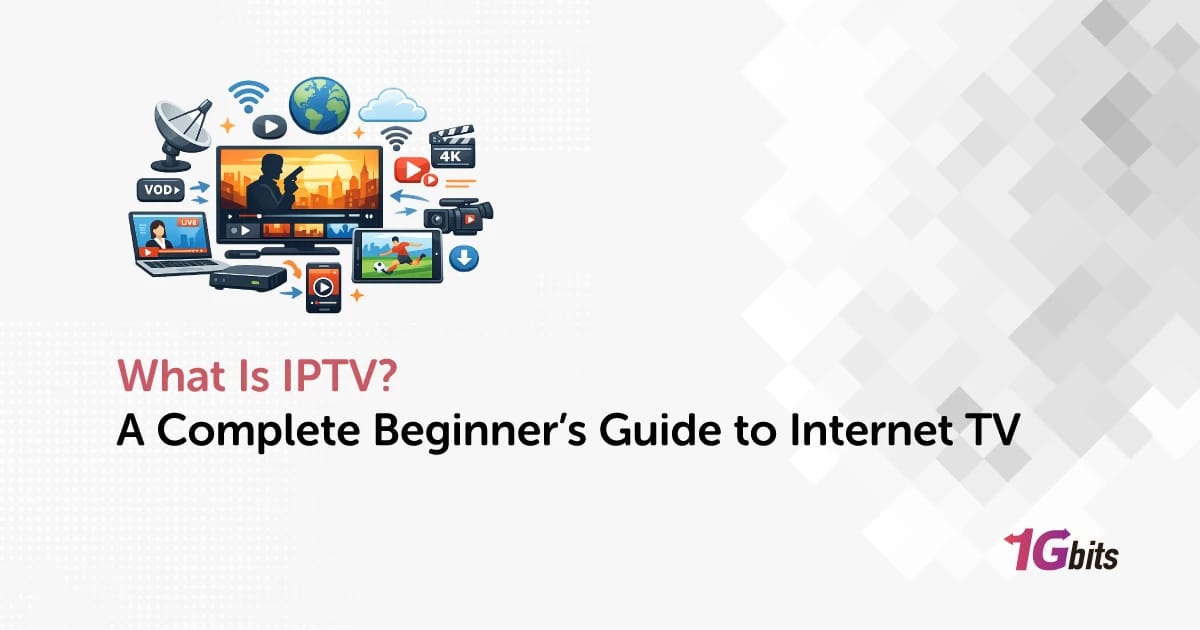
IPTV, or Internet Protocol Television, is a modern method of transmitting television content over the internet, rather than traditional cable or satellite signals. The growing demand for flexible, scalable, and real-time delivery of TV, multimedia, and interactivity over several devices has made IPTV the most favored option, even as internet infrastructure developments continue in 2026. Unlike older technologies, IPTV provides a personalized experience, allowing users to consume media on their own terms without being tethered to a physical wall socket or a specific broadcast schedule.
No more fixed schedules or physical links for the viewers, and the companies are also switching to IPTV because of its efficiency in distributing video content over IP-based networks. This guide will tell you about IPTV, how it operates, what the various IPTV services and apps offer, the questions of legality and pricing that vary between the service providers, and the technical requirements that are most important when setting up IPTV for personal or professional use. Whether you are a casual viewer looking for more variety or a business owner planning to set up a video streaming server, understanding the core pillars of this technology is essential.
📺 What Is IPTV?
IPTV means Internet Protocol Television, a technology that transmits television broadcasts over IP-based internet networks rather than through conventional methods like cable, satellite, or terrestrial signals. Basically speaking, IPTV utilizes the same technology as the internet, allowing the transmission of data in packets rather than in fixed-frequency signals, to stream TV channels and video content. To function correctly, it requires a robust IP address system to route the data packets to the correct destination device.
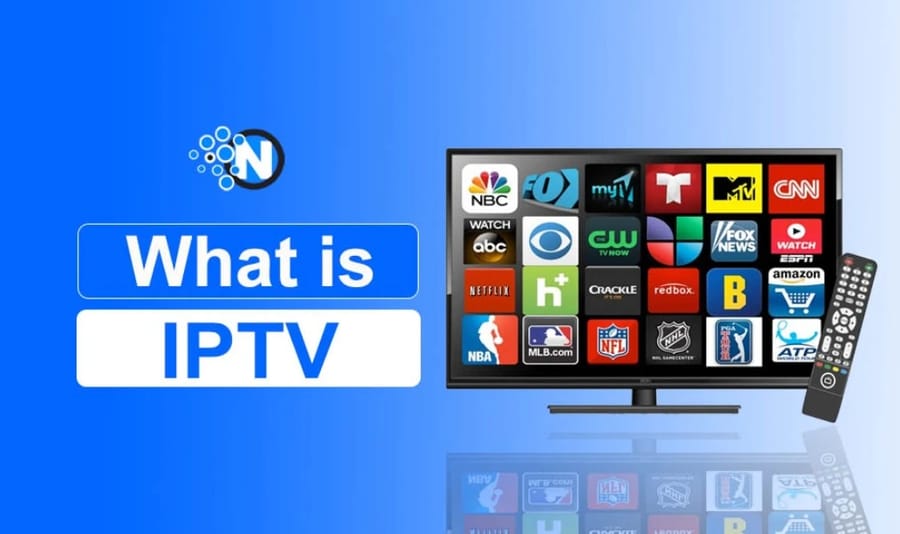
But unlike traditional TV that broadcasts the same program to all viewers at the same time, IPTV gives a user the option to choose when the content is viewed or allows it to be live, thus bringing more flexibility, interactivity, and device compatibility. The reason for this fundamental difference is the frequent sharing of content between the provider and the viewer, which enables the IPTV service to offer features such as live streaming, video-on-demand, time-shifted viewing, and multi-device access through apps and IPTV players. Because the data is delivered over the same infrastructure as your web browsing, having a high-quality Internet Service Provider (ISP) is the backbone of a buffer-free experience.
⚙️ What Is IPTV and How Does It Work?
IPTV works by converting television content into digital data and delivering it through internet-based networks instead of traditional broadcast infrastructure. This method allows users to stream live channels or on-demand video only when requested, rather than receiving continuous signals. The efficiency of this system relies on complex protocols that manage how data is requested and delivered.
-
Content source: TV channels, media libraries, or live broadcasts are collected from broadcasters, studios, or private content providers. These sources are often hosted on a dedicated server to ensure 24/7 availability. Read: What is dedicated server
-
Encoding & streaming: The raw video is compressed and encoded into IP-friendly formats so it can stream smoothly over the internet. This step is crucial for reducing file size without losing significant visual quality.
-
Delivery via IP networks: The encoded content travels through IP networks using broadband connections, reaching users through IPTV apps, IPTV players, or compatible devices.
This process explains what IPTV is and how it works in practice, showing why it offers more control, scalability, and efficiency compared to traditional television delivery systems. It effectively eliminates the need for expensive satellite hardware for the end user.
🎯 What Is IPTV Used For?
IPTV is used to deliver television and video content over internet networks with greater flexibility and control than traditional TV systems. Its structure allows both individual users and organizations to access content in real time or on demand, depending on their needs. Below is a breakdown of how different sectors utilize this technology:
| IPTV Use Case | Detailed Description | Typical Users |
| Live TV | Streaming live television channels over IP networks without satellite or cable signals. | Home users, broadcasters |
| Video on Demand (VOD) | Accessing movies, series, or programs anytime from a digital library. | Consumers, media platforms |
| Time-shifted TV | Watching previously aired programs through catch-up or replay features. | Home users |
| Enterprise & hospitality | Distributing branded or controlled content in hotels, offices, hospitals, or campuses. | Hotels, corporations, universities |
These use cases explain what IPTV is used for in real-world scenarios and show why IPTV has become a practical solution for both entertainment-focused viewers and large-scale professional environments. Organizations often use a managed dedicated server to handle the heavy traffic associated with large-scale IPTV distribution.
🧩 Types of IPTV Services
IPTV services are categorized based on how and when content is delivered to the viewer. Each type addresses a specific viewing behavior, from real-time broadcasting to flexible, on-demand access. Understanding these categories helps clarify what an IPTV service actually provides to its subscribers.
📡 Live IPTV
Live IPTV delivers television channels in real time over internet networks, closely resembling traditional broadcast TV in terms of viewing experience. Users can watch news, sports, and live events as they happen without relying on satellite dishes or cable connections. This format is widely used by telecom providers and is a core component of many IPTV subscriptions. For optimal performance, providers often host these streams on streaming VPS nodes to minimize latency.
Additionally, knowing what is latency and how it affects your connection can help you choose the best server location.
🎬 Video on Demand (VOD)
Video on Demand (VOD) allows users to select and watch content whenever they choose, rather than following a fixed broadcast schedule. Movies, TV series, and recorded programs are stored on servers and streamed instantly upon request. This model explains what IPTV is used for in modern viewing habits, where flexibility and content control matter more than ever. To manage large VOD libraries, providers often utilize a storage VPS or specialized storage servers.
⏱️ Time-Shifted IPTV
Time-shifted IPTV enables viewers to watch programs that were broadcast earlier through catch-up TV or replay features. Instead of recording content locally on a DVR, programs are stored centrally on the provider's server and accessed through an IPTV app or player. This approach eliminates the need for physical recording devices while preserving viewing convenience for busy individuals.
📦 What Is an IPTV Service?
An IPTV service is a paid subscription model that allows users to receive live television signals, watch movies or series of their choice at the time they want, or see previously aired programs delivered through IP networks. The hosting of server infrastructure, and the supply of content delivery systems and access credentials are the usual roles of the providers, while the users make connections via an IPTV app or player installed on their gadgets.
The subscription model for IPTV generally consists of monthly or yearly plans with prices and features depending on the bandwidth, streaming quality, server reliability, and channel availability, which thereby clarifies the nature of the IPTV service including the software used for viewing content only. Many premium services offer 4K quality, which requires a significant 10Gbps VPS or high-speed dedicated connection to avoid pixelation.
Behind every reliable IPTV service is a properly selected backend infrastructure. A deeper technical breakdown of how these backends are built is available in Choosing the Right Server for Streaming.
📲 IPTV Apps & Players Explained
IPTV apps and players are the tools that allow users to access IPTV services on different devices. They do not provide TV channels by themselves but act as interfaces between the user and the IPTV service provider. Think of it like a web browser: the browser (player) doesn't own the internet, but it allows you to see the websites (service). Understanding the difference between apps, players, and services helps avoid common confusion when setting up IPTV.
📱 What Is an IPTV App?
An IPTV app is a software application designed to stream IPTV content on devices such as smart TVs, smartphones, tablets, or computers. It connects to an IPTV service using login credentials, playlists (usually in M3U format), or server URLs provided by the service provider. This explains what an IPTV app is used for and why it is essential for accessing IPTV content on mobile devices or smart televisions.
▶️ What Is an IPTV Player?
An IPTV player is a type of IPTV app focused specifically on playing streamed content rather than managing subscriptions. It supports formats like M3U playlists or Xtream Codes and displays channels, VOD, and catch-up content. When users ask what an IPTV player is, the key point is that it plays content but does not supply it. You must have a separate subscription to feed into the player.
⭐ What Is IPTV Smarters?
IPTV Smarters is a popular IPTV player application used to stream content from third-party IPTV services. It provides a user-friendly interface, multi-screen support, and compatibility with various devices. Many users encounter this app when searching what is IPTV Smarters during their initial IPTV setup because it is widely recommended for its stability and features.
🚀 What Is IPTV Smarters Pro?
IPTV Smarters Pro is an advanced version of IPTV Smarters with additional features and a more polished interface. It supports live TV, VOD, series libraries, and external players while offering better performance controls. When users ask what IPTV Smarters Pro is, it refers to this enhanced IPTV player, not a content provider. It often includes features like parental controls and EPG (Electronic Program Guide) integration.
🌍 IPTV Examples
IPTV is widely used across multiple industries because it allows controlled, scalable, and high-quality video delivery over IP networks. These real-world IPTV examples show how the technology extends far beyond home entertainment into professional and commercial sectors.
| IPTV Category | Real-World Use Case | Primary Purpose |
| Telecom IPTV | Internet and telecom providers offering live TV and VOD to subscribers. | Consumer television services |
| Hotel IPTV | In-room entertainment systems with branded interfaces and guest services. | Hospitality and guest experience |
| Educational IPTV | Streaming lectures, training sessions, and recorded classes. | Schools, universities, e-learning |
| Corporate IPTV | Internal broadcasts, announcements, and training content. | Enterprises and large organizations |
These IPTV examples clearly demonstrate what IPTV is used for in practical environments, highlighting its flexibility for both public-facing services and controlled private networks. For those wanting to build their own local media server, learning how to install Plex is a great starting point for personal IPTV-like functionality.
🌐 What Is IPTV on a Router?
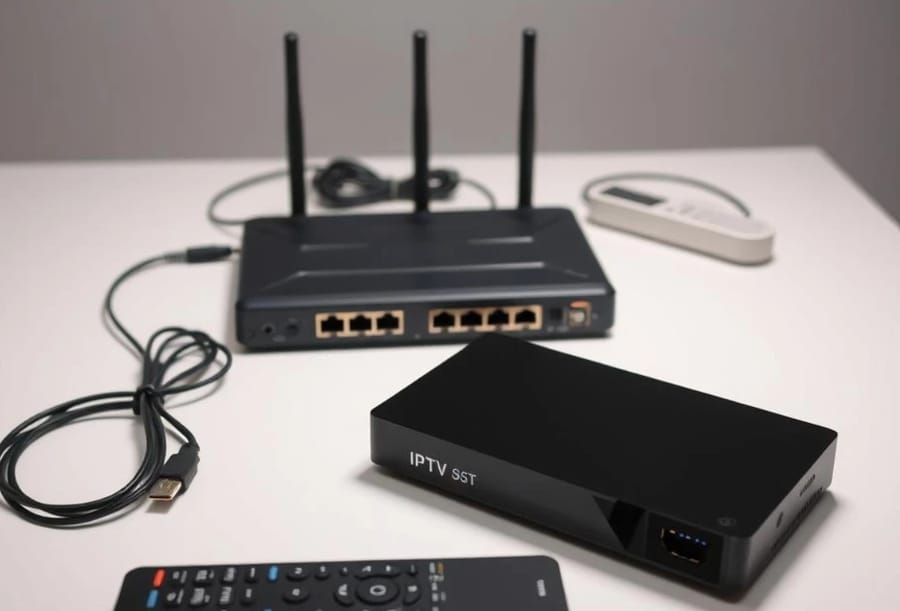
IPTV on a router refers to the network-level handling of IPTV traffic to ensure stable and efficient delivery of live TV streams. Certain IPTV services require specific router features to manage how video data flows across the network without causing congestion for other devices.
-
Multicast & IGMP: IPTV often relies on multicast traffic and IGMP protocols to deliver live channels efficiently. This ensures the router doesn't duplicate streams for every device, saving bandwidth.
-
Router compatibility: Not all routers support advanced IPTV features. Some require specialized firmware or a specific OS configuration that handles multicast and VLAN tagging properly.
-
Configuration needs: Router-level setup is usually necessary for ISP-provided IPTV services or large networks using managed IPTV distribution to ensure high-priority traffic (video) isn't delayed by low-priority traffic.
Understanding what IPTV is on a router helps explain why proper network configuration plays a critical role in stream quality, stability, and overall IPTV performance. Users experiencing issues may need to do port forwarding to allow the service to communicate correctly with the provider's server.
📊 IPTV vs Streaming Services
IPTV and popular streaming platforms often get grouped together, but they operate using different delivery models and serve different purposes. Understanding these differences helps answer a common question: is Netflix an IPTV service? The short answer is no, and here is why:
| Feature | IPTV (Managed) | OTT Streaming (Netflix, YouTube) |
| Delivery method | IP-based TV delivery with managed streams. | Over-the-top (OTT) internet streaming. |
| Live TV | A core feature with hundreds of channels. | Limited or platform-specific. |
| On-demand | Available via VOD libraries. | The primary focus of the platform. |
| Infrastructure | Often requires dedicated streaming servers. | Uses global CDN-based infrastructure. |
Netflix and similar platforms are not considered IPTV because they operate as OTT streaming services rather than managed IPTV systems, which explains the technical and functional distinction between these two content delivery models. IPTV is typically tied to a specific service provider's network, whereas OTT is "over the top" of any internet connection.
⚖️ Is IPTV Legal?
IPTV itself is a technology and is legal to use in most countries when content is delivered by authorized providers. The legality of IPTV depends entirely on where the content comes from and whether the provider holds proper distribution rights for that specific content.
-
Legal IPTV explained: Licensed IPTV services (like Hulu + Live TV or Sling) operate with permission from content owners and comply with local broadcasting laws.
-
Illegal IPTV risks: Unlicensed IPTV services may expose users to legal action, poor service quality, or security threats like malware. Many of these services are hosted on offshore unmanaged dedicated servers to avoid regulation.
-
Regional differences: IPTV laws vary by country. For example, some countries have strict enforcement against "pirate" streams, while others have more relaxed regulations.
This section builds trust by clarifying what IPTV is and is legal, emphasizing responsible usage and informed provider selection. Always verify if your provider has the rights to the channels they offer.
💸 Is IPTV Free or Paid?
IPTV can be free or paid, depending on the service model and content source. However, free IPTV options usually come with significant limitations and risks that users should be aware of before installing any software.
-
Free IPTV: Often unstable, limited in channels, and may operate without proper licenses. These are frequently plagued by ads and potential security vulnerabilities.
-
Paid IPTV subscriptions: Offer better reliability, support, and licensed content. They invest in high-performance high-end dedicated servers to ensure their users don't face downtime.
-
Cost transparency: Reputable providers clearly explain pricing, features, and service terms without hidden fees.
Understanding whether IPTV is free or paid helps users avoid unreliable services and make informed subscription decisions based on their budget and viewing needs.
💰 How Much Does IPTV Cost?
The cost of IPTV varies based on service quality, content availability, and infrastructure reliability. Pricing differences often reflect server performance, bandwidth allocation, and support levels. Generally, you get what you pay for in terms of uptime and resolution.
-
Average pricing ranges: Monthly IPTV subscriptions typically range from $10 to $25 for basic plans, with premium tiers going higher for multi-room access.
-
What affects IPTV cost: Channel count, streaming quality (HD/4K), server uptime, and whether the service includes a VOD library.
-
Why cheap IPTV is risky: Extremely low prices often indicate overloaded servers. For a provider, maintaining dedicated server pricing is a fixed cost, so if they charge too little, they are likely cutting corners on quality.
This section explains what IPTV is and how much it costs while highlighting the trade-off between price and service reliability. Investing a few extra dollars a month can often mean the difference between a smooth game and a frozen screen.
🔧 How Do I Get IPTV?
Getting IPTV requires a compatible device, a stable internet connection, and access to an IPTV service provider. Setup complexity depends on whether the IPTV service is consumer-based or enterprise-level. For most users, it is as simple as downloading an app.
-
Requirements checklist: Valid IPTV subscription, IPTV app or IPTV player, and your login or M3U playlist details.
-
Internet speed: A stable broadband connection is mandatory. For 4K, you should aim for at least 25-50 Mbps of consistent speed.
-
Devices supported: Smart TVs, Android devices, iOS devices, PCs, streaming boxes (like Firestick or Nvidia Shield), and set-top boxes.
These steps clearly answer what IPTV is and how do I get it, helping beginners set up IPTV with fewer technical issues. For users or businesses planning to deploy their own platform, a practical guide is available in How to Set Up a Video Streaming Server.
🚧 Common IPTV Problems & Limitations
Despite its flexibility, IPTV can experience performance issues that directly affect viewing quality. Most problems are not caused by the IPTV app itself but by network conditions and backend infrastructure. Understanding these can help you troubleshoot effectively.
| Common Problem | Primary Cause | Impact on Viewing |
| Buffering | Insufficient bandwidth or unstable connection. | Interrupted playback and delays. |
| ISP throttling | Traffic shaping by providers. | Sudden drops in stream quality. |
| Server overload | Too many users on underpowered hardware. | Freezing and channel downtime. |
| Latency issues | Poor routing or distant servers. | Delayed live broadcasts. |
These limitations highlight why network quality, server capacity, and bandwidth planning are critical for reliable IPTV performance. This naturally leads to the importance of proper streaming infrastructure and high-quality hosting solutions.
To reduce buffering, prevent server overload, and maintain consistent stream quality, understanding infrastructure requirements is essential, which is explained in detail in Choosing the Right Bandwidth and Storage Server for Streaming.
✨ Conclusion
The internet has been the driving force behind the major changes in the whole TV content distribution, accompanied by the fact that the IPTV streaming service has surpassed the conventional broadcasting systems in terms of flexibility with live TV, on-demand media, and time-shifted programs. If one understands IPTV's nature, operation, legality, and technical specifications, it then becomes a lot easier to choose trustworthy services and avoid unstable or risky setups.
In the case of large-scale IPTV operators, the quality of the streams provided is mainly determined by bandwidth, server performance, and network stability; therefore, it is paramount to invest in the correct infrastructure. For stable IPTV delivery with instant setup, global data centers, and 24/7 technical support, a dedicated Streaming Server from 1Gbits provides the performance foundation required for modern IPTV platforms. By choosing a buy dedicated server option, you ensure that your audience enjoys a seamless, professional viewing experience every time they tune in.

Leave A Comment